

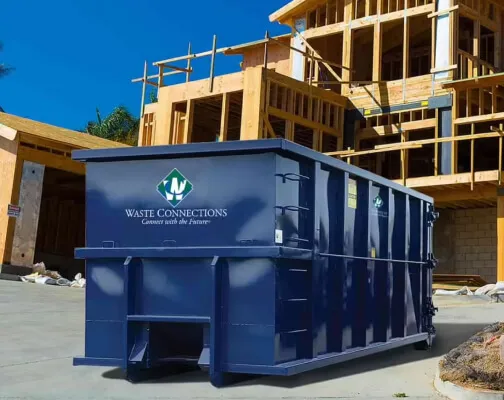
Short-term dumpster rentals are a common solution for residential projects that generate a sudden surge of waste over a limited period. For homeowners tackling renovations, cleanouts, or repairs, these temporary containers provide a practical way to manage debris without committing to long-term service.
This article explains how short-term dumpster rentals are typically used in residential work and what homeowners can expect when planning one.
Why Short-Term Rentals Fit Residential Projects
Many residential projects are time-bound. A bathroom remodel, flooring replacement, or garage cleanout may only take a few days, yet still produce more debris than curbside trash can handle. Short-term dumpster rentals are designed to support these brief but intensive work periods.
By bringing disposal capacity on-site only when needed, homeowners avoid extended placement in driveways or streets while still maintaining an organized work area during active phases.
Common Residential Uses
Short-term rentals are frequently used during demolition or removal stages of home projects. Tearing out cabinets, drywall, old flooring, or fixtures creates bulky debris quickly, even if the overall project timeline is short.
They are also common for move-outs, downsizing efforts, and estate cleanups, where large volumes of unwanted items are removed in a compressed timeframe. In these cases, a temporary container helps streamline cleanup without repeated hauling trips.
Scheduling Delivery and Pickup
Timing is a central consideration for short-term rentals. Containers are usually delivered shortly before debris-generating work begins and removed as soon as the bulk of waste is cleared. This approach minimizes idle time and reduces the visual impact of having a dumpster on the property.
Clear access for delivery trucks and advance planning around project milestones help ensure the container is available exactly when needed.
Placement in Residential Settings
Driveways are the most common placement location because they offer stability and convenient access. When driveway placement is not possible, street placement may be used, subject to local rules.
Homeowners often plan placement to minimize interference with parking, walkways, and neighboring properties. Thoughtful positioning helps maintain normal household routines during the rental period.
Managing Volume and Weight
Short-term projects can still produce heavy debris. Materials such as tile, plaster, or roofing components can reach weight limits quickly. Homeowners benefit from being mindful of how debris is loaded and from choosing a container size that matches peak output rather than average volume.
Proper use helps ensure smooth pickup once the project phase concludes.
How Providers Fit Into the Process
During planning, homeowners may encounter providers such as Temporary Dumpster alongside local haulers. In most cases, the service structure is straightforward, with container size and rental duration tailored to the project’s needs.
The goal is typically logistical support rather than long-term service, making flexibility and timing key considerations.
Keeping Projects Organized
Short-term dumpster rentals help maintain cleaner work areas by centralizing waste removal. This reduces clutter inside the home and around the property, supporting safer movement and more efficient work by contractors or helpers.
For homeowners living in the space during the project, organized waste handling can significantly reduce daily disruption.
Short-term dumpster rentals are widely used in residential work because they align with the way many home projects are executed: quickly, in phases, and with concentrated debris output. By planning delivery, placement, and removal around active work periods, homeowners can manage waste efficiently without long-term commitments.
When used thoughtfully, short-term rentals become a simple, effective tool that supports residential projects from start to finish.
